
Reality Check: Feb Edition

Mar 25, 2026
By Mark Noakes
As the Head of Strategy here at Dilate, I’m sharing a monthly update, stepping back from the noise and looking at what’s actually shifting in our industry.
This won’t be a roundup of headlines. There’s enough of that already. Instead, you’ll get a considered look at what changes mean for how brands grow, compete, and defend their position.
For marketing managers and business owners who care about the economics behind the activity, not just the activity itself.
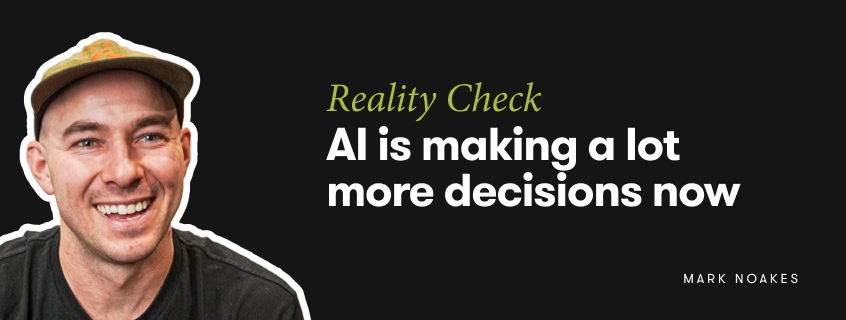
AI is making a lot more decisions now
This month made something pretty clear. The decision maker in the buying process is starting to shift.
Across a number of recent platform updates there was a consistent theme. Google introduced more agentic commerce infrastructure. Gemini is evolving toward persistent personal intelligence. OpenAI outlined how advertising may work inside AI environments. Mailchimp strengthened its owned data ecosystem.
Individually these look like product updates. When you step back and look at them together, they point to something bigger.
AI is moving closer to the moment of purchase and it’s starting to influence the shortlist. In some cases, it may determine whether a brand is considered at all.
For most of the past two decades, buying looked like this:
Search → Compare → Click → Decide
Now it’s starting to look like this:
Ask → AI filters → AI recommends → User approves
The filtering is happening earlier. And importantly, it’s happening before many brands are even seen.
Buying journeys are getting shorter.
Fewer options are being presented.
Not every brand makes the shortlist.
This means things like structured product data and clean feeds suddenly matter a lot more. When the buying process changes, the economics of growth change with it.
A few implications worth sitting with:
- Ranking well may matter less than being recommendable
- If AI can’t clearly interpret your offer, it won’t surface it
- Strong brands become safer recommendations
- First-party data shifts from asset to protection
This isn’t really about better tools. It’s about who decides which brands get considered in the first place.
The organic window is shrinking
Meta rolled out ads on Threads this month.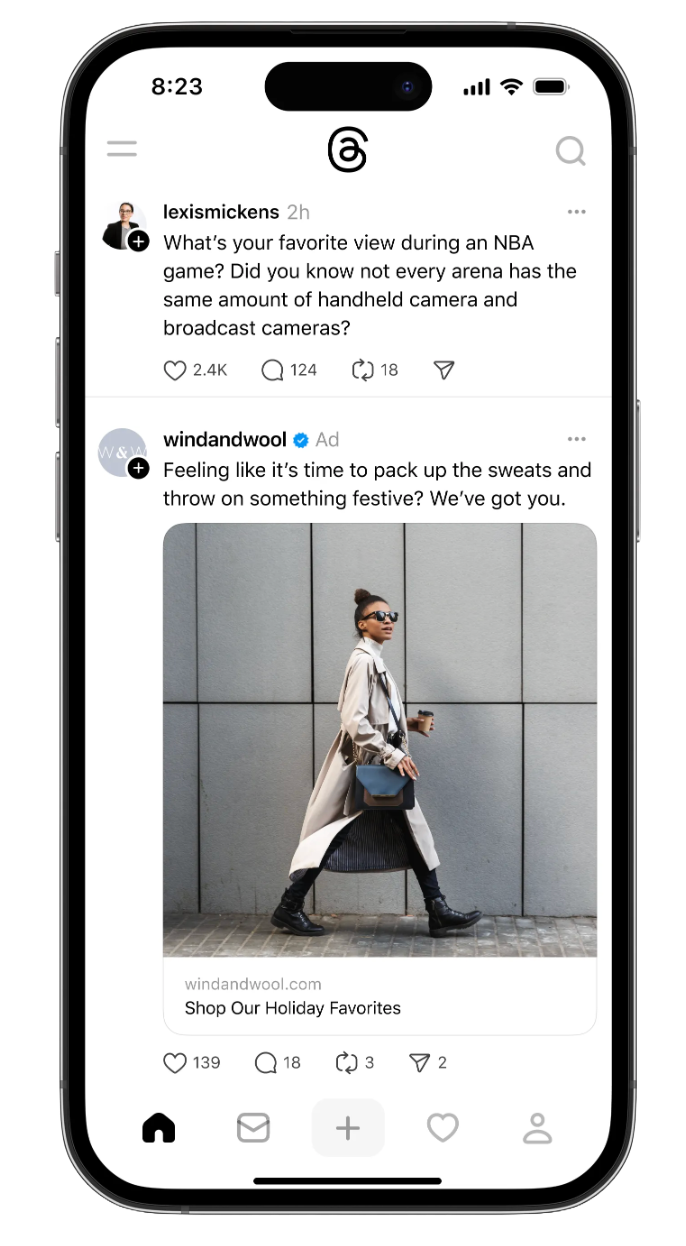
That part wasn’t surprising, but the speed at which they have monetised the platform was.
The gap between organic opportunity and paid monetisation is shrinking very quickly. What once felt like a decent runway for early adopters is now just months.
This isn’t really about Threads specifically. New platforms are monetising quickly. Organic early-adopter windows are shorter.
Attention has become rented, not owned.
Seen this yet?

A quick reminder on fundamentals
In a month full of AI headlines, we recorded a podcast episode on something slightly different: Why marketing feels more complicated than ever — and why most teams are probably overcorrecting.
One thing that came through clearly in that discussion is that while tools change quickly, the fundamentals of how growth actually happens change much more slowly.