The Dilate Blog
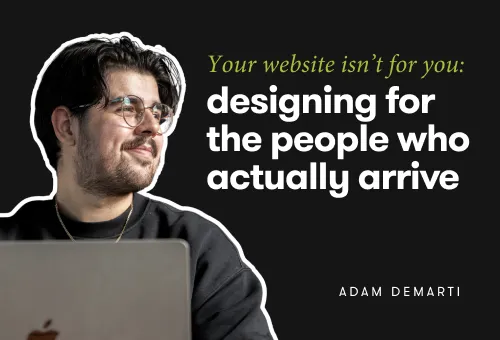
Human-centred web design means building your website around the people who use it. That means your visitors and the team who keeps it updated. Start with research into what people come to do, then test the structure before anyone picks colours and fonts.
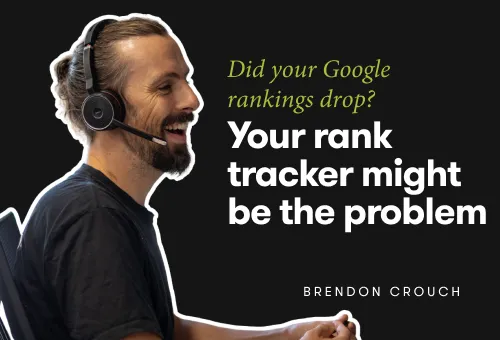
Have you just opened your monthly SEO report to find your rankings have fallen off a cliff? Those keywords you’ve held for months, suddenly on page three or missing altogether? You’re not alone. To help steady the heart, here’s the short answer: in most cases, your website hasn’t lost its place in Google. The tools […]
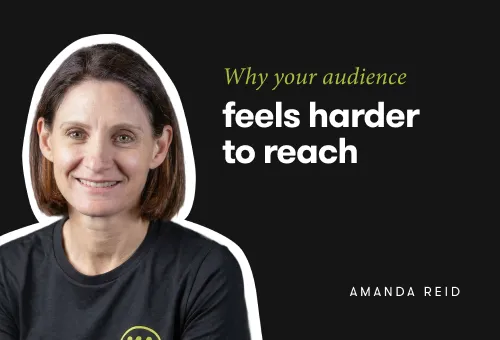
Reaching your audience used to feel simpler. You knew where and how to engage with them, which channels were most effective, and how to build an effective strategy around them. Now, attention is spread across streaming platforms, social feeds, search results, podcasts, online news, and niche digital spaces. That shift has made marketing feel more […]
Most businesses ask the same question, which is “how do we increase revenue?” Usually, the answers revolve around volume. More leads. More customers. Higher conversion rates. New markets. More products. But very few businesses ask a different question: How much can we actually charge? Revenue can grow in four ways: Sell more units Increase conversion […]
You've just launched a new service. Or perhaps you've expanded into a new market, acquired another business, or developed a new product line. The opportunity is exciting. But unfortunately, the next decision is less obvious. Should it sit under your existing brand? Become a sub-brand? Launch as something entirely new? Or is it time to […]
Most businesses treat growth strategy like it’s supposed to predict the future. But growth rarely happens in stable conditions. Platforms change. Media costs increase. Competitors enter the market. Consumer behaviour shifts. Economic conditions tighten. The variables move constantly, and often without any warning. Yet businesses still expect a growth strategy to tell them what happens […]
Most businesses define their competition too narrowly. “We’re a digital marketing agency.” “We’re a software platform.” “We’re a plumbing service.” “We’re a fitness brand.” That framing makes sense internally. Categories help structure teams, scope services, and explain what you do. But buyers aren't shopping categories. They're shopping for a way out of a problem. For […]
Most brands can clearly articulate their positioning. They know the space they want to occupy and the problem they aim to solve. But far fewer can explain their brand associations, which are the ideas, attributes and feelings people actually connect to them. That matters. Big time. Because while positioning sets the direction, it is associations […]
We’ve talked before about how most brand strategies end up as a one-off workshop document. A box to tick. A slide deck that gets shared once, then quietly disappears. They tend to lean heavily on the surface. Values exercises. Visual directions. Questions like “how do you want people to feel?”, followed by a logo and […]
It’s one of the most common questions in marketing, and it’s usually asked the wrong way. Because the answer isn’t emotional or rational. It’s actually about context. Decades of marketing effectiveness research show a clear pattern. Emotional creative is more effective at building brands over time. It affects how we shape memory, meaning and preference […]
are you ready to
create more business?


create business. better everyday.
Let's Talkfeed your mind
learn from the best minds in the business
LATEST VIDEO TIP
Our Favourite Marketing Courses
Chris talks through a few of our favourite resources.